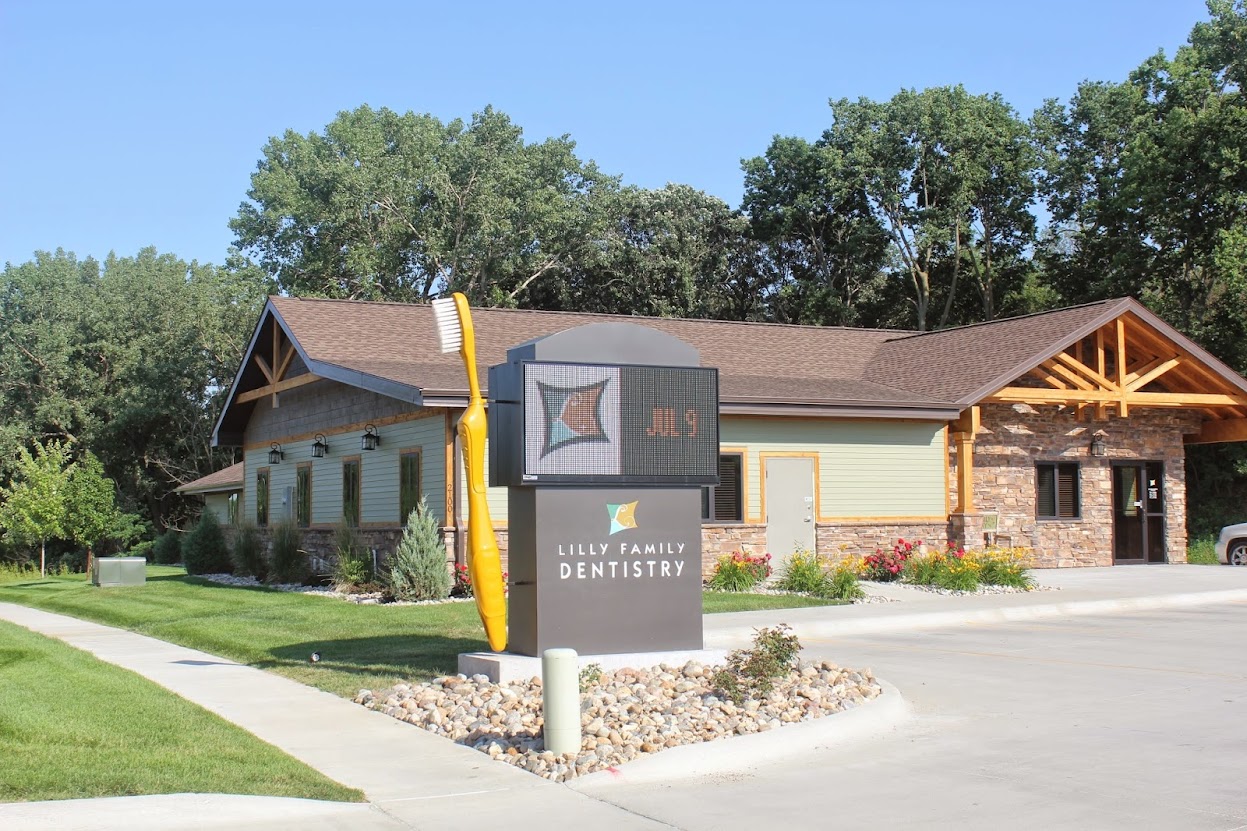
When considering options for improving the appearance of teeth, both dental bonding and veneers are popular choices within general dentistry. Each technique has its own unique characteristics, benefits, and ideal use cases that merit understanding. At Lilly Family Dentistry, the goal is to provide clear information to help individuals make informed decisions about their cosmetic dental needs.
Dental bonding involves the application of a tooth-colored resin to repair or enhance the appearance of teeth. This technique can be particularly effective for minor chips, gaps, or discoloration. The process typically includes the following steps:
- Preparation: The tooth surface is gently roughed up to allow for better adhesion.
- Application: The resin is applied and molded to match the surrounding teeth.
- Curing: A special light is used to harden the resin, ensuring that it stays in place.
Bonding is often completed in a single visit, making it a convenient option for those seeking quick cosmetic enhancements. Additionally, it is generally less expensive than veneers, making it a good choice for those on a budget. However, bonding may not be as durable or stain-resistant as veneers, so it’s essential to weigh the pros and cons.
Veneers, on the other hand, are thin shells of porcelain or composite resin that are custom-made to cover the front surface of teeth. They are ideal for individuals looking for a more dramatic improvement in their smile. The process typically involves the following:
- Consultation: A detailed examination and discussion of desired outcomes with a dental professional.
- Preparation: A small amount of enamel is typically removed to accommodate the thickness of the veneers.
- Impressions: Molds are taken to create custom-fitted veneers that match the desired shade and shape.
- Placement: The veneers are securely bonded to the teeth with a strong adhesive.
While the veneer process requires multiple visits, the end result is a highly durable and aesthetic enhancement that can last many years. These restorations are stain-resistant, making them an excellent long-term solution for improving the appearance of teeth.
When deciding between dental bonding and veneers, it is vital to consider several factors, including:
- Desired Outcome: For minor corrections, bonding might suffice, whereas veneers may be preferable for significant changes.
- Time and Budget: Bonding is quicker and less expensive but may not offer the same longevity as veneers.
- Durability Needs: For those with high aesthetic standards or tough wear situations, veneers can provide enhanced durability.
To make an informed choice, consultations with dental professionals can guide individuals through the decision-making process, ensuring each patient selects the option best suited to their needs and preferences. At Lilly Family Dentistry, we value open communication and expertise to assist you effectively.
To learn more about dental bonding and veneers, visit our website at Lilly Family Dentistry. We are committed to providing outstanding care tailored to your needs and answering any questions about services and options available.
Understanding your dental needs is the first step towards achieving a beautiful smile. Reach out today to schedule an appointment and explore the options available for enhancing your teeth and smile: schedule an appointment.
For ongoing updates and community engagement, follow us on our Facebook page: Sioux City Dental.
What is dental bonding and how does it work?
Dental bonding involves applying a tooth-colored resin to repair or enhance the appearance of teeth. The process includes roughening the tooth surface for better adhesion, applying and molding the resin, and then using a special light to harden it, often completing the procedure in a single visit.
What are veneers and their advantages?
Veneers are thin shells of porcelain or composite resin custom-made to cover the front surface of teeth, ideal for significant smile improvements. They require multiple visits for consultation, enamel preparation, custom impressions, and secure placement, resulting in durable, stain-resistant enhancements that can last many years.
How do I choose between dental bonding and veneers?
When deciding between dental bonding and veneers, consider the desired outcome, time, budget, and durability needs. Bonding may suffice for minor corrections and is quicker and less expensive, while veneers are better for significant changes and provide enhanced durability.
How does the process of getting veneers differ from bonding?
The veneer process involves a detailed consultation, enamel removal, impressions for custom fitting, and secure bonding, requiring more than one visit. In contrast, dental bonding can often be completed in a single visit without the need for enamel removal.
What should I consider regarding the durability of bonding versus veneers?
Bonding may not be as durable or stain-resistant as veneers, which provide enhanced durability suitable for individuals with higher aesthetic standards or tough wear situations. It's essential to weigh these factors when making a choice.